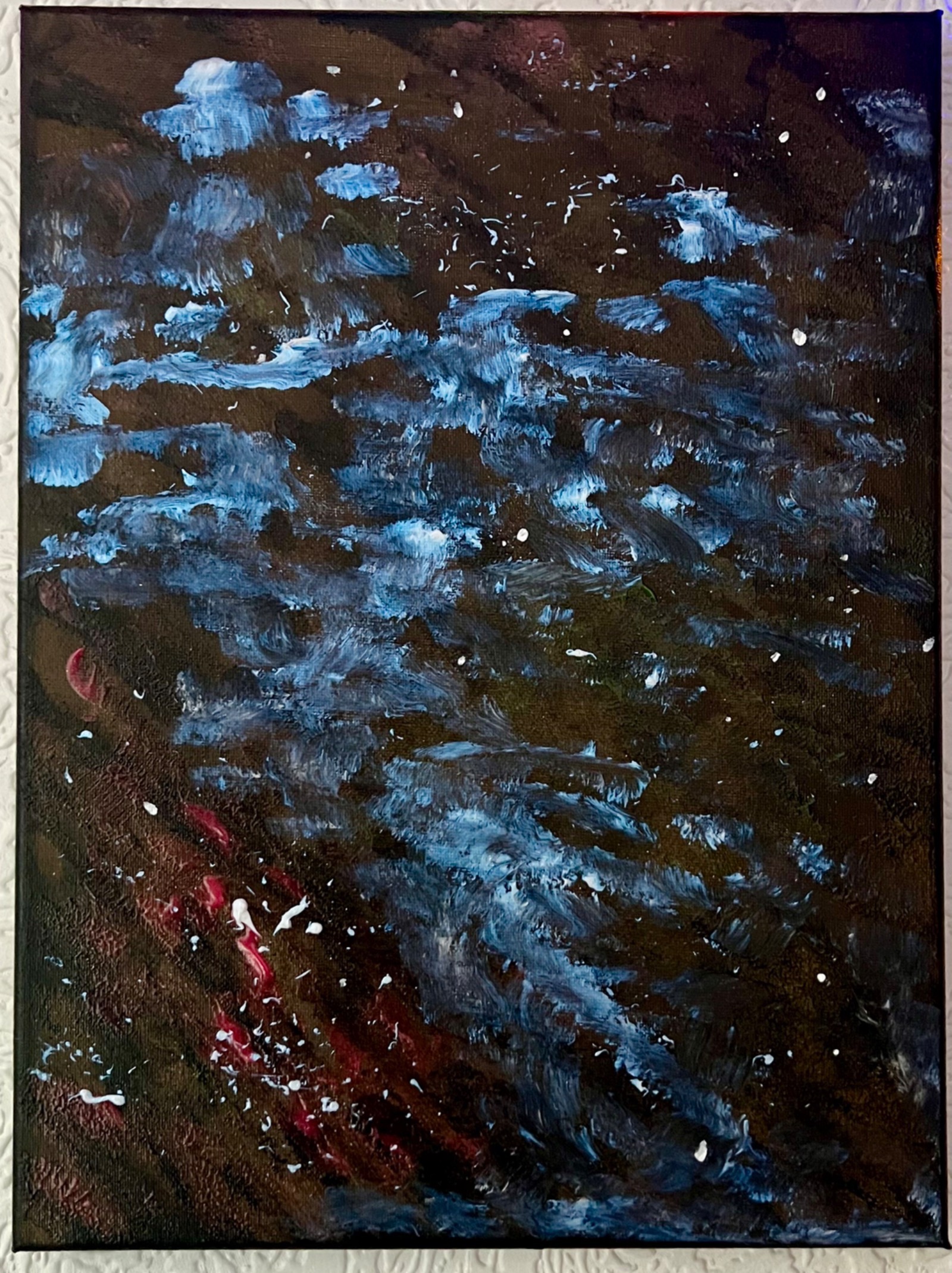
If you have your eye on an original abstract painting, your mind is probably jumping ahead to how it will look in your space. But right after deciding where it will go, the very next question most people ask is: “Do I need to get this framed, or can it hang exactly as it is?”
In the past, traditional art almost always demanded a heavy, ornate frame to look "finished." But modern canvas art has changed the rules entirely.
If you are trying to decide how to display a new painting, here is a simple, stress-free guide to the modern options for your home.
Option 1: Going Completely Unframed (The Minimalist Look)
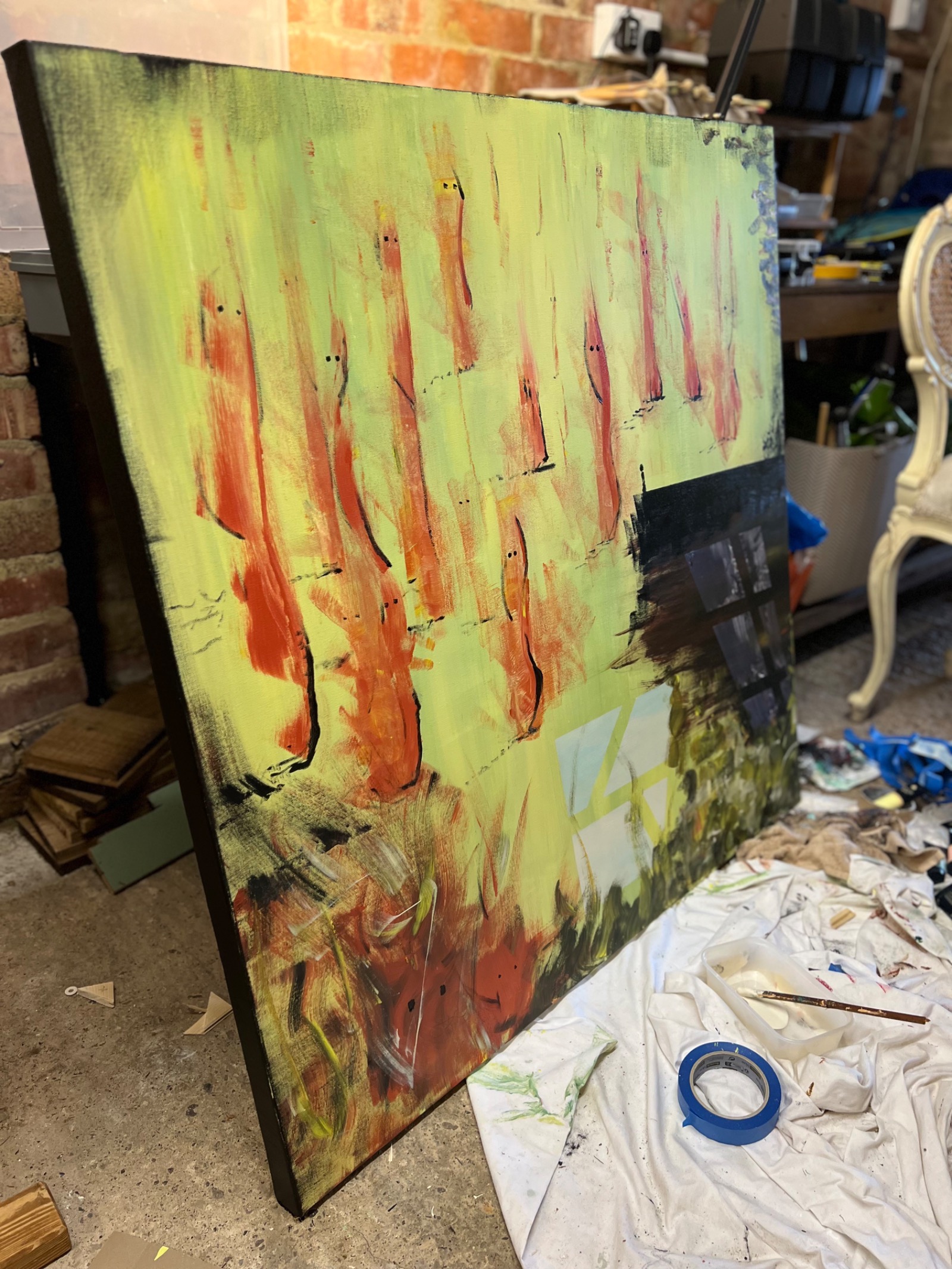
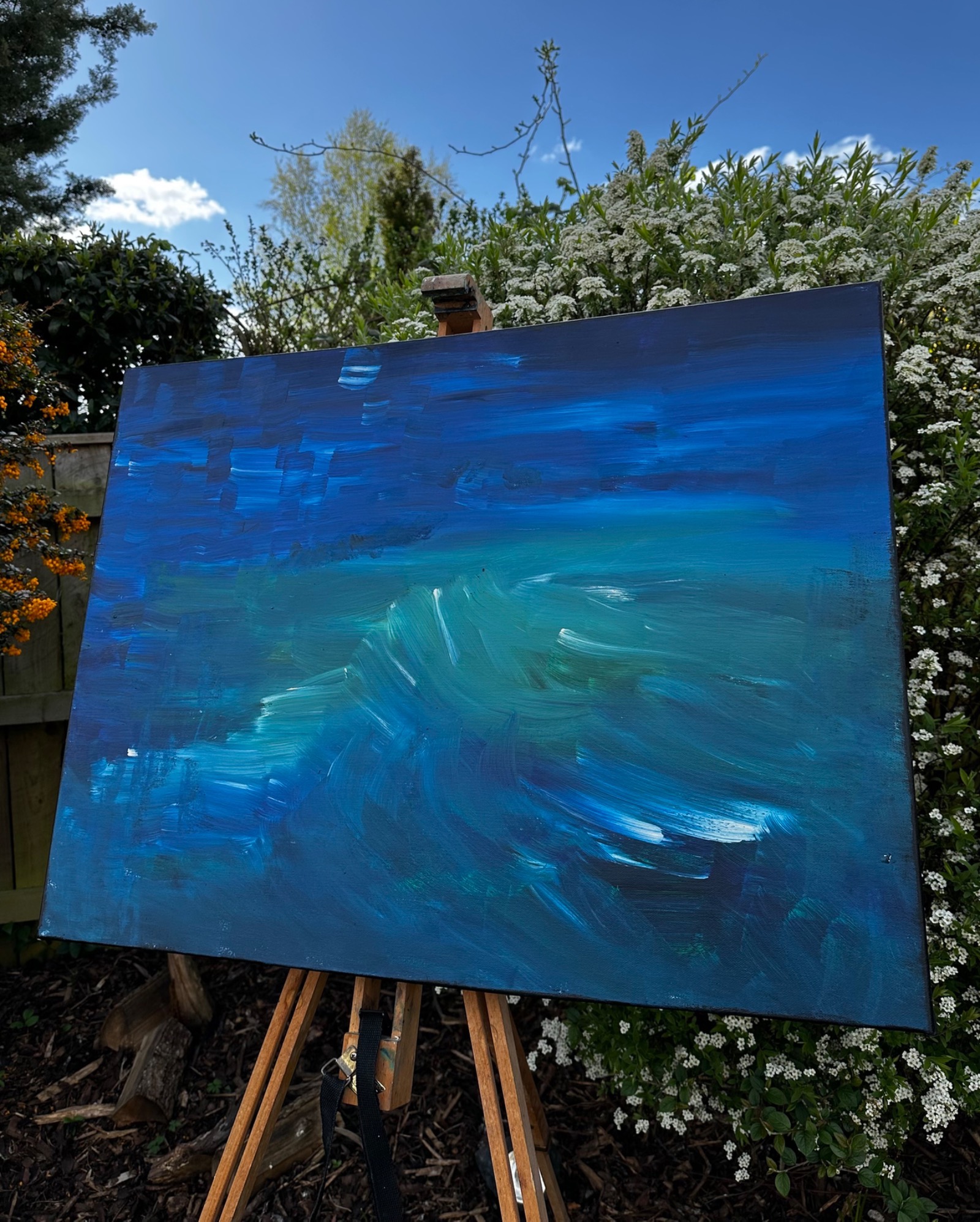
This is my favourite. The wonderful thing about original acrylic art painted on a stretched canvas is that it is fundamentally ready to hang the second it arrives. Because the canvas fabric is wrapped around a thick internal wooden structure (called stretcher bars), the piece has its own depth and presence.
An unframed canvas creating a sleek, seamless look. It feels contemporary, continuous, and lets the focus remain entirely on the raw texture and colour of the paint.
What to look for: If you want to hang a piece unframed, check the edges of the canvas. Many artists intentionally paint the edges or leave raw, messy paint drips around the sides. This "wrapped" detail looks incredibly stylish when viewed from the side as you walk across the room.
Option 2: The Floating Frame (The Contemporary Finish)
If you love the clean look of an unframed canvas but still want a crisp, defined border, a floating frame (sometimes called a canvas tray frame) is the ultimate modern solution.
Unlike a traditional picture frame that covers the front edge of the artwork under glass, a floating frame is a simple wooden channel that sits slightly away from the canvas.
A floating frame creates a subtle shadow gap around the artwork. This creates a tiny "shadow gap" (usually around 5mm) between the canvas and the wood, making it look as though the painting is magically levitating inside its enclosure.
Floating frames work beautifully in abstract interiors because:
They add an extra layer of premium craftsmanship without making the art feel stuffy.
They provide a clean architectural line that can tie in with other woods or metals in your room (like an oak floor or black metal light fixtures).
They protect the corners of the canvas while leaving 100% of the painted surface completely visible.
So, which is right for your space?
To make your decision easy, ask yourself a quick question about the vibe of your room.
If your home leans towards a relaxed, bohemian, or ultra-minimalist style, a raw, unframed canvas feels effortless and beautifully organic.
If your space is more structured, industrial, or classically modern, adding a slim floating frame in raw oak, white, or matte black can give the artwork an extra bit of architectural grounding.
At the end of the day, original canvas art is incredibly versatile. You can always start by hanging it completely unframed to see how it settles into your home’s ecosystem. You can always choose to add a floating frame later down the line if you want to change up the look!